1
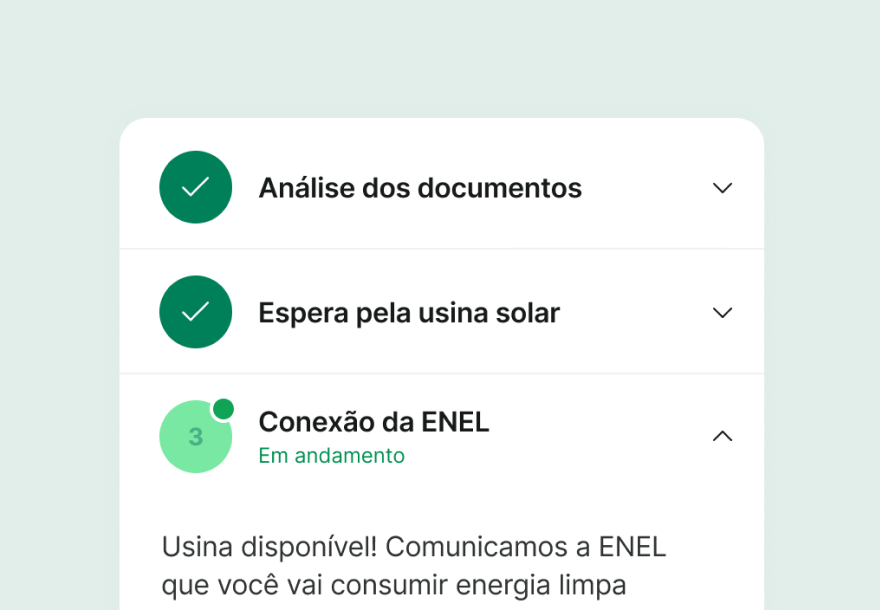
Transparency
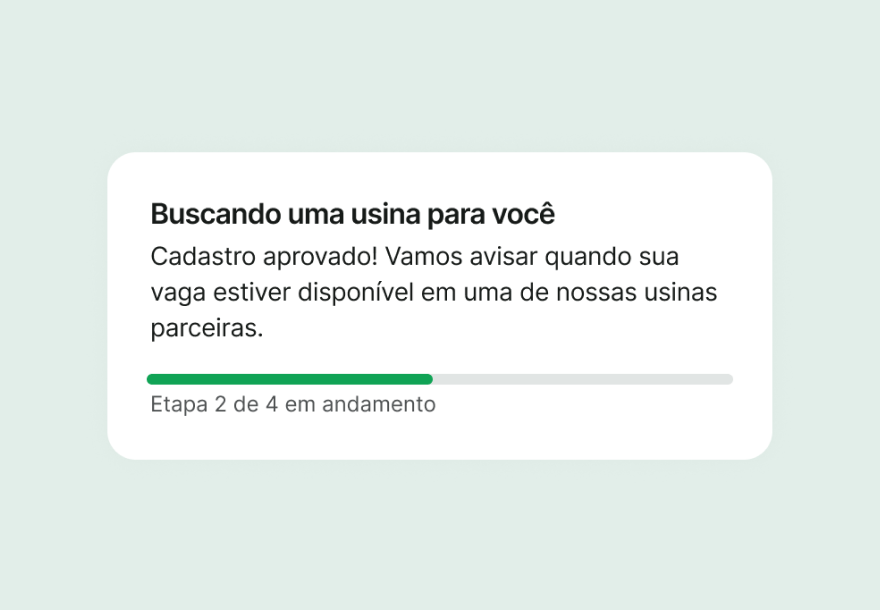
Knowing what stage the service is at


Creating Lemon's onboarding
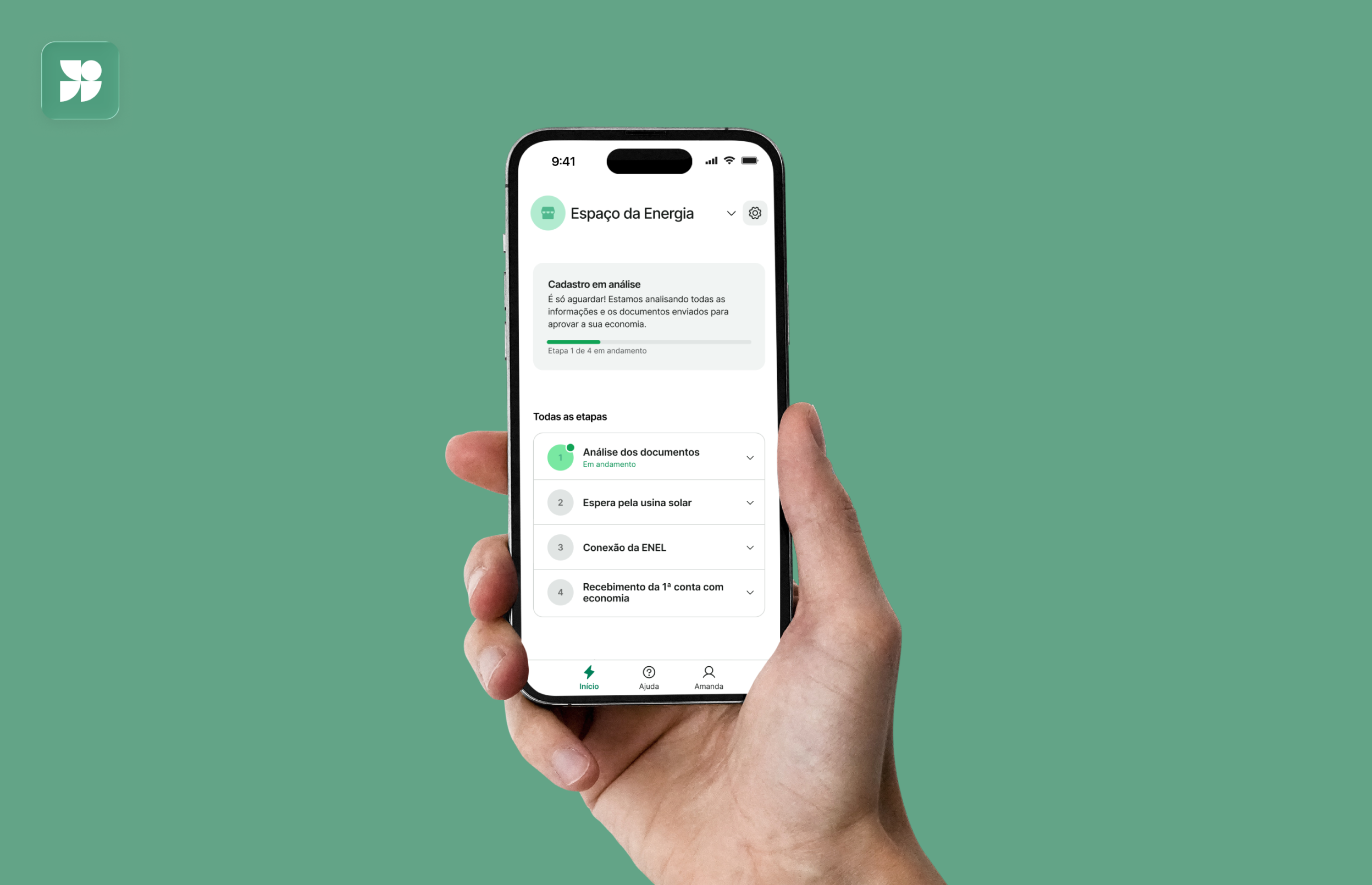
A single place to track onboarding progress, understand the service and learn what comes next. Customer satisfaction as consequence.
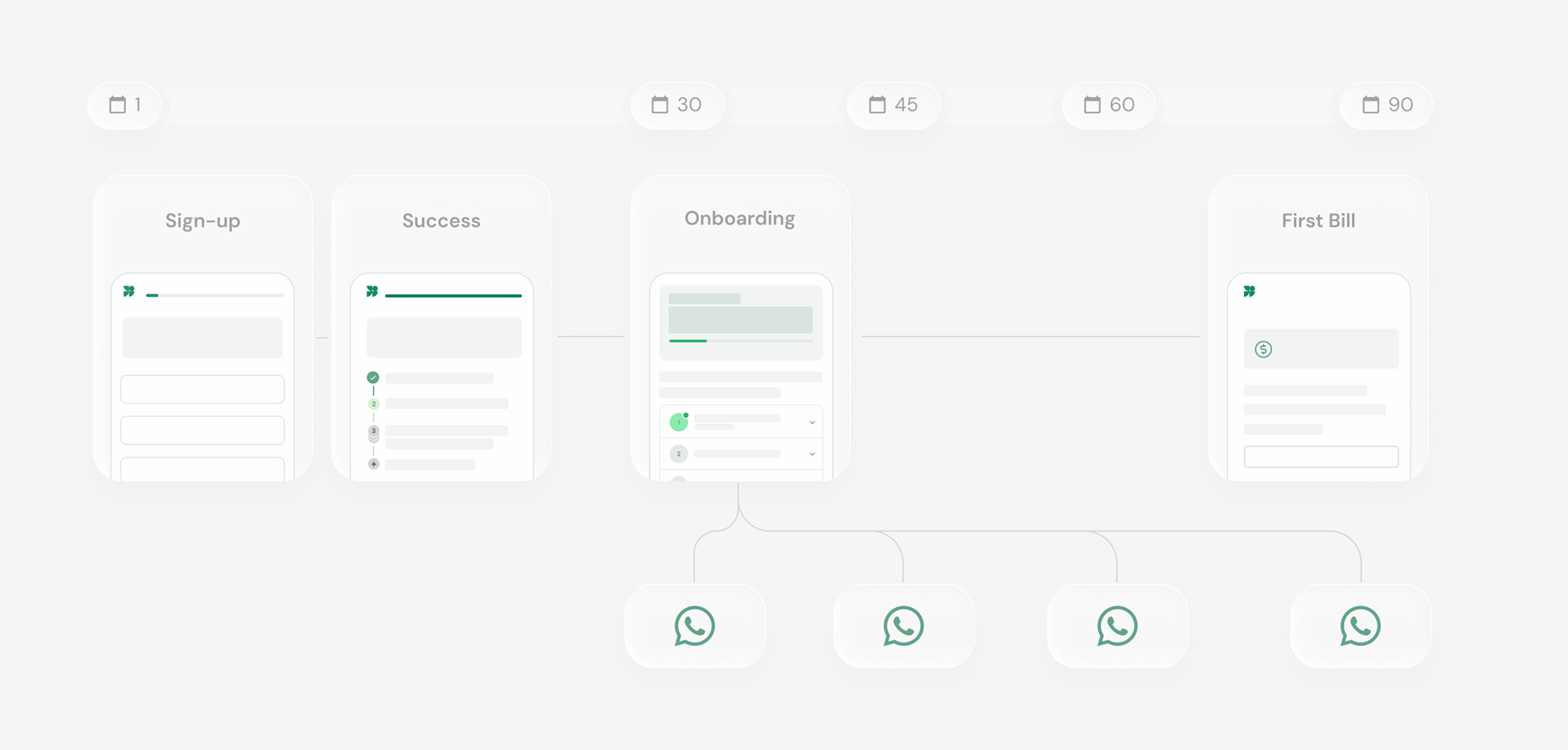
After signing a contract, savings only started showing up up to 90 days. Without onboarding, customers couldn't see the process and didn't perceive value, which affected activation and satisfaction.
I joined as Lead Product Designer to lead this experience from zero, where my main responsibilities were:
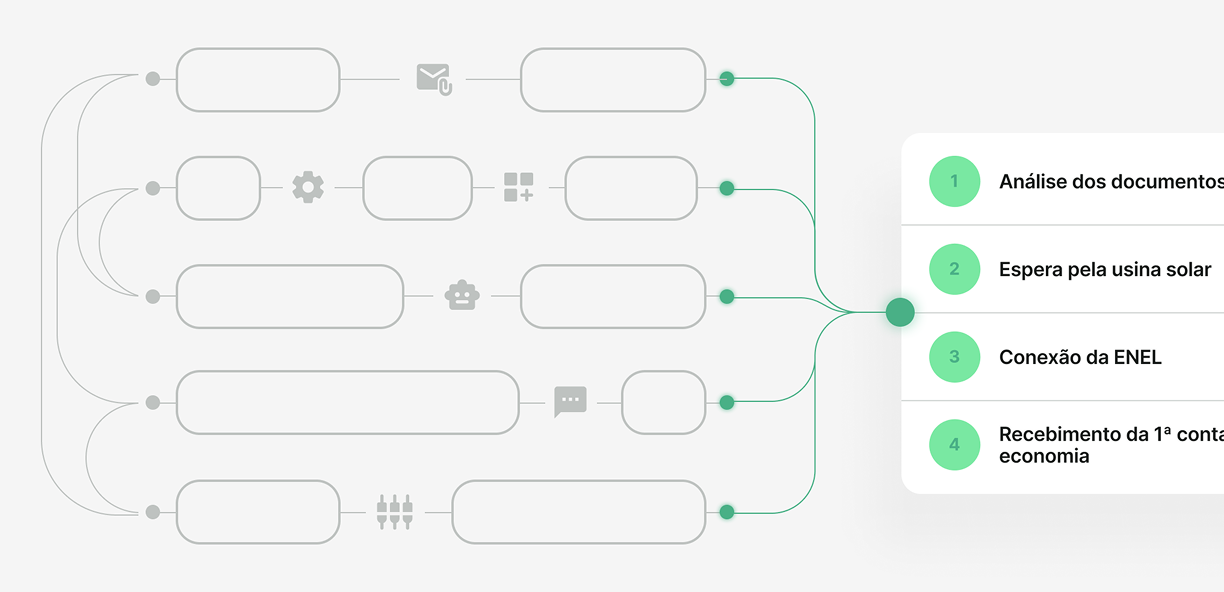
Framing the problem
The activation process was invisible to the customer and had never been structured internally as a journey.
How to create visibility and a sense of value across a long process, and make sure the customer always knew when they needed to act for the journey to move forward?
From research to validation
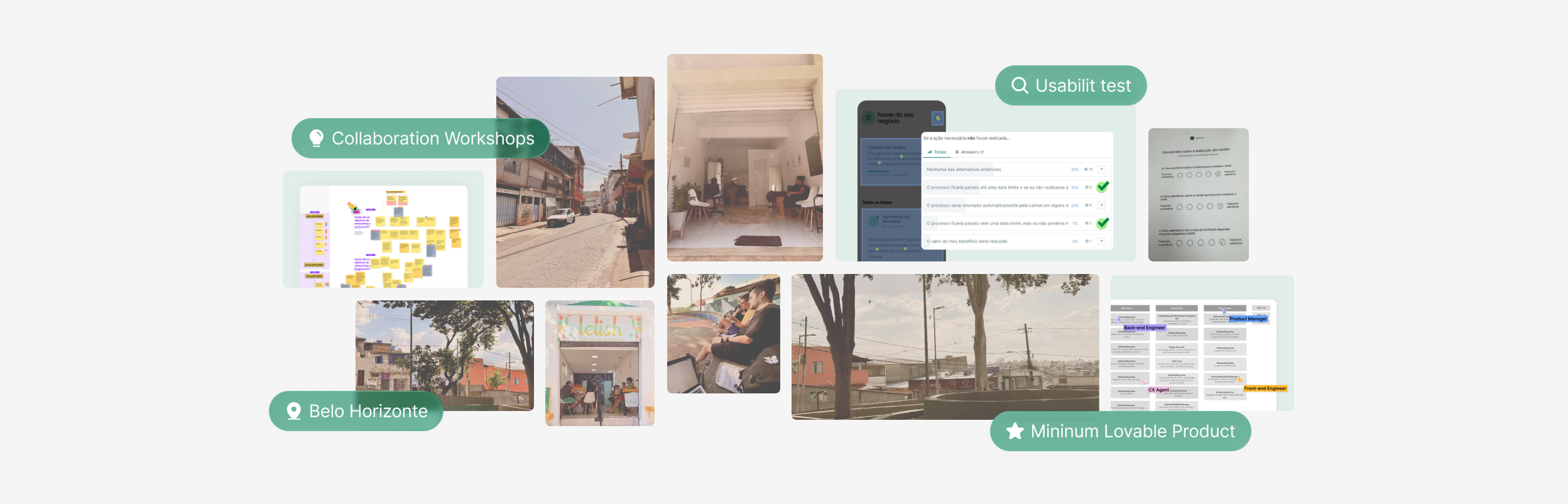
Led a field research with customers in Belo Horizonte (BR), turning the findings into product decisions, co-created with the team and validated with customers.
Recurring problems
· Customers had no visibility on the activation status
· Customers were confused and had lots of question about the process or the service itself
· There was no clarity on pending actions or their impact on timeline
Product decisions
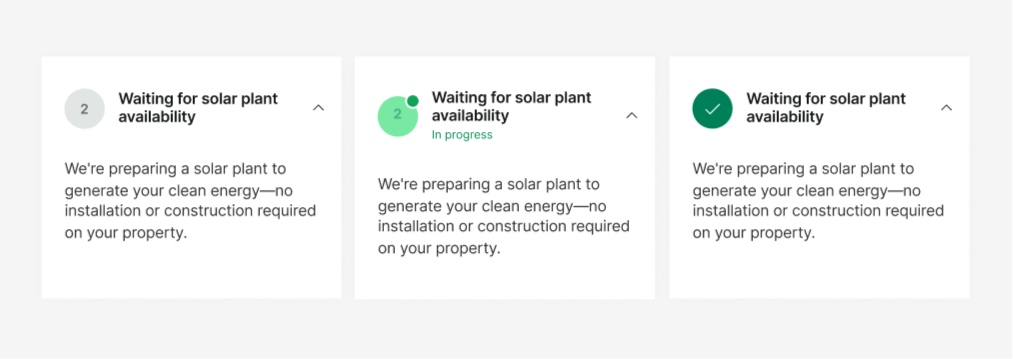
· Exposing status even with partial data
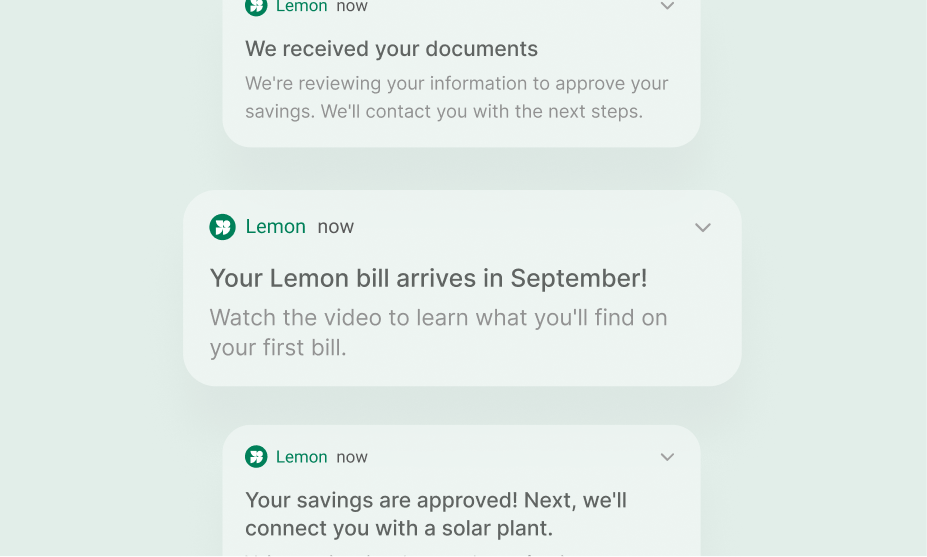
· Restructuring communication (all channels) as part of the onboarding scope
· Using progressive storytelling to educate the customer and reinforce value at each step toward the next action
Co-creation and validation
· Defined the experience pillars in a workshop I designed and facilitated with the cross-functional team.
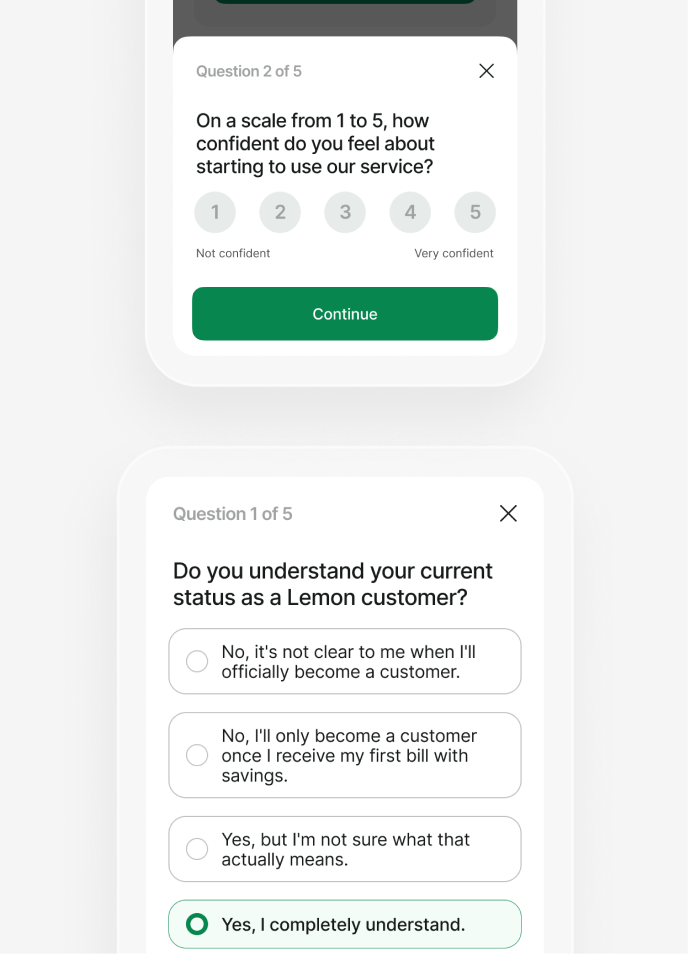
· Validated the resulting MVP through a remote, unmoderated usability test.
· Results were directional rather than conclusive: customers understood the general status area but expected more autonomy than the MVP allowed.
· Used as hypotheses to prioritize e redesign some features and details before wider rollout.
Definition of product principles
Based on research, the new journey was guided by 5 experience pillars, translating customer needs at each stage of the process.
Transparency
Knowing what stage the service is at
Expectation management
Understanding how much is left
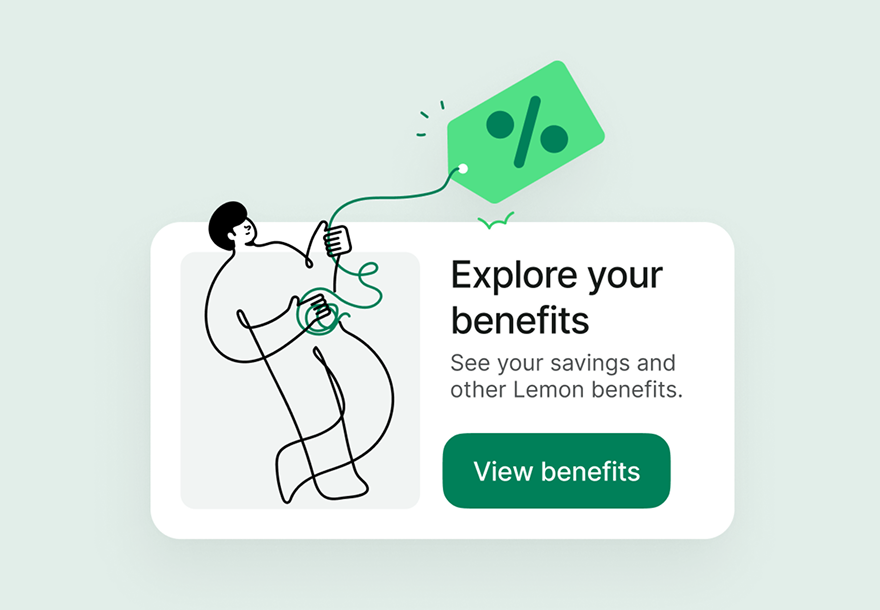
Value perception
Perceiving benefits before savings begin
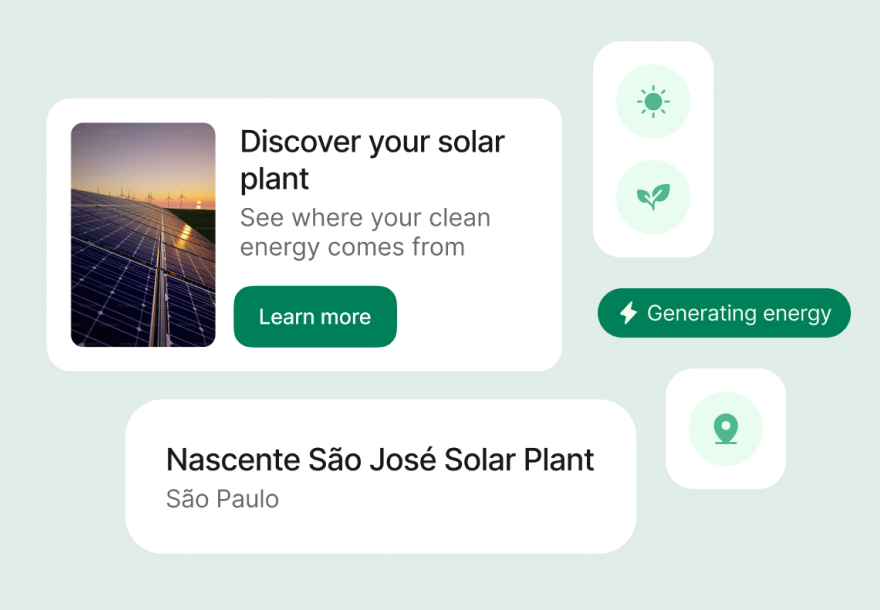
Building trust
Reducing insecurity with the company
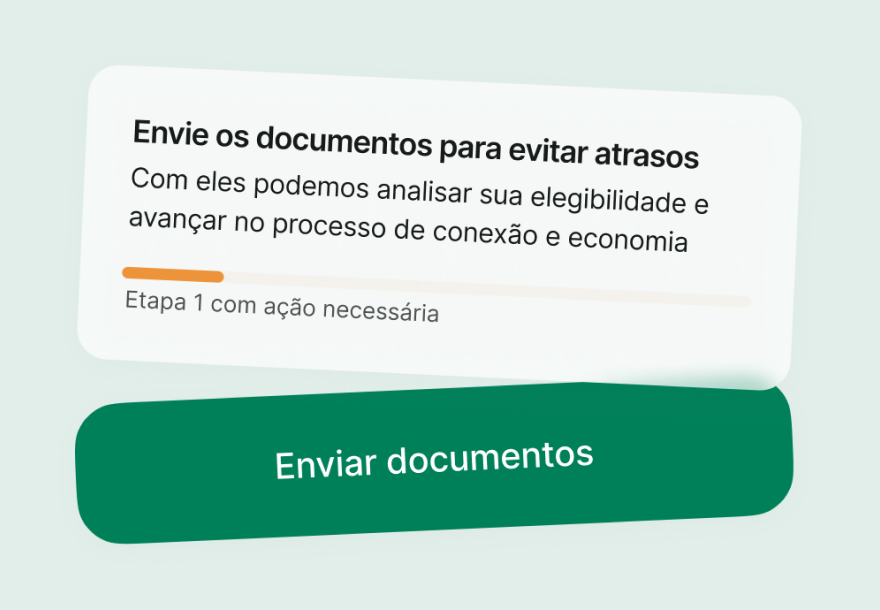
Promoting autonomy
Customers able to move forward independently
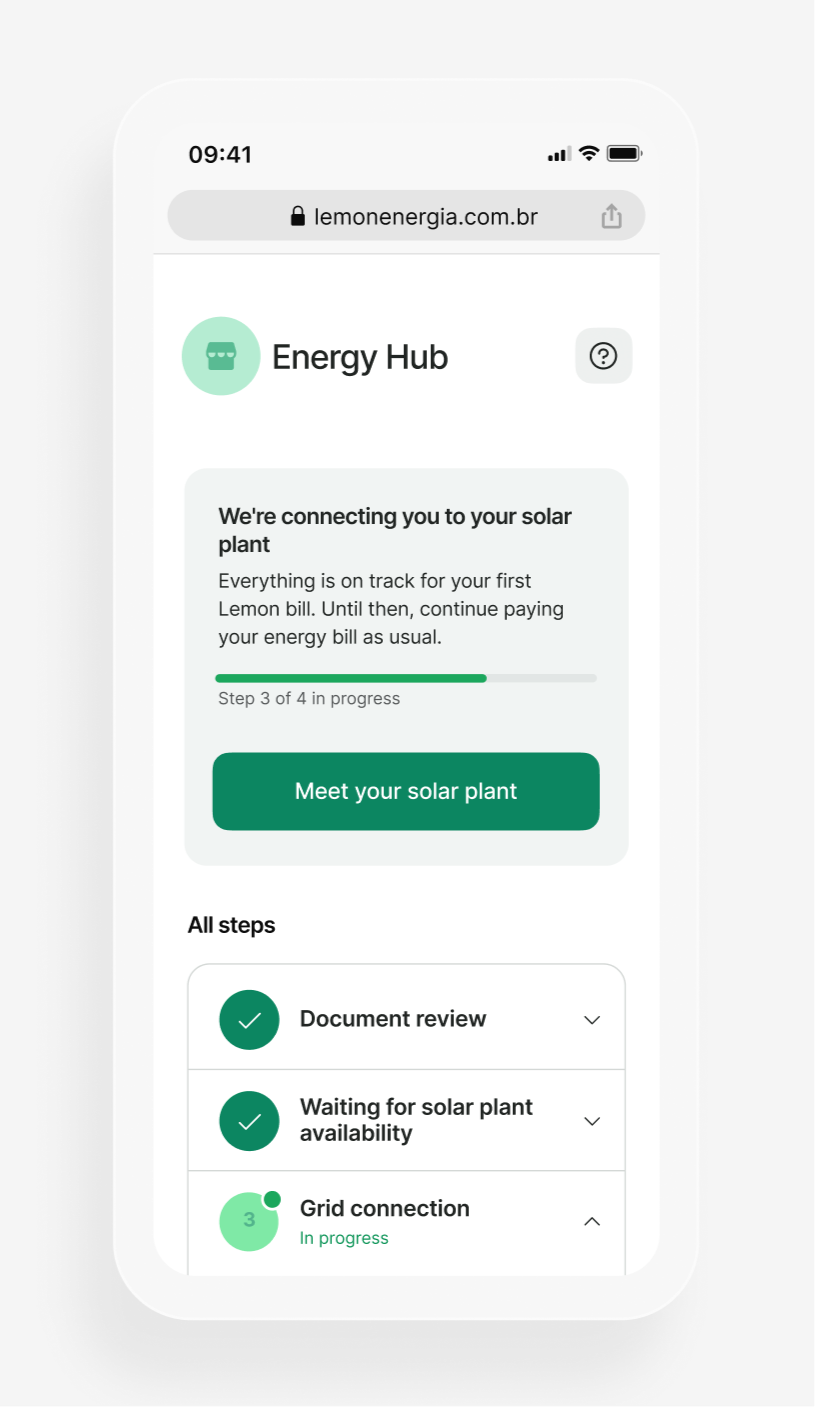
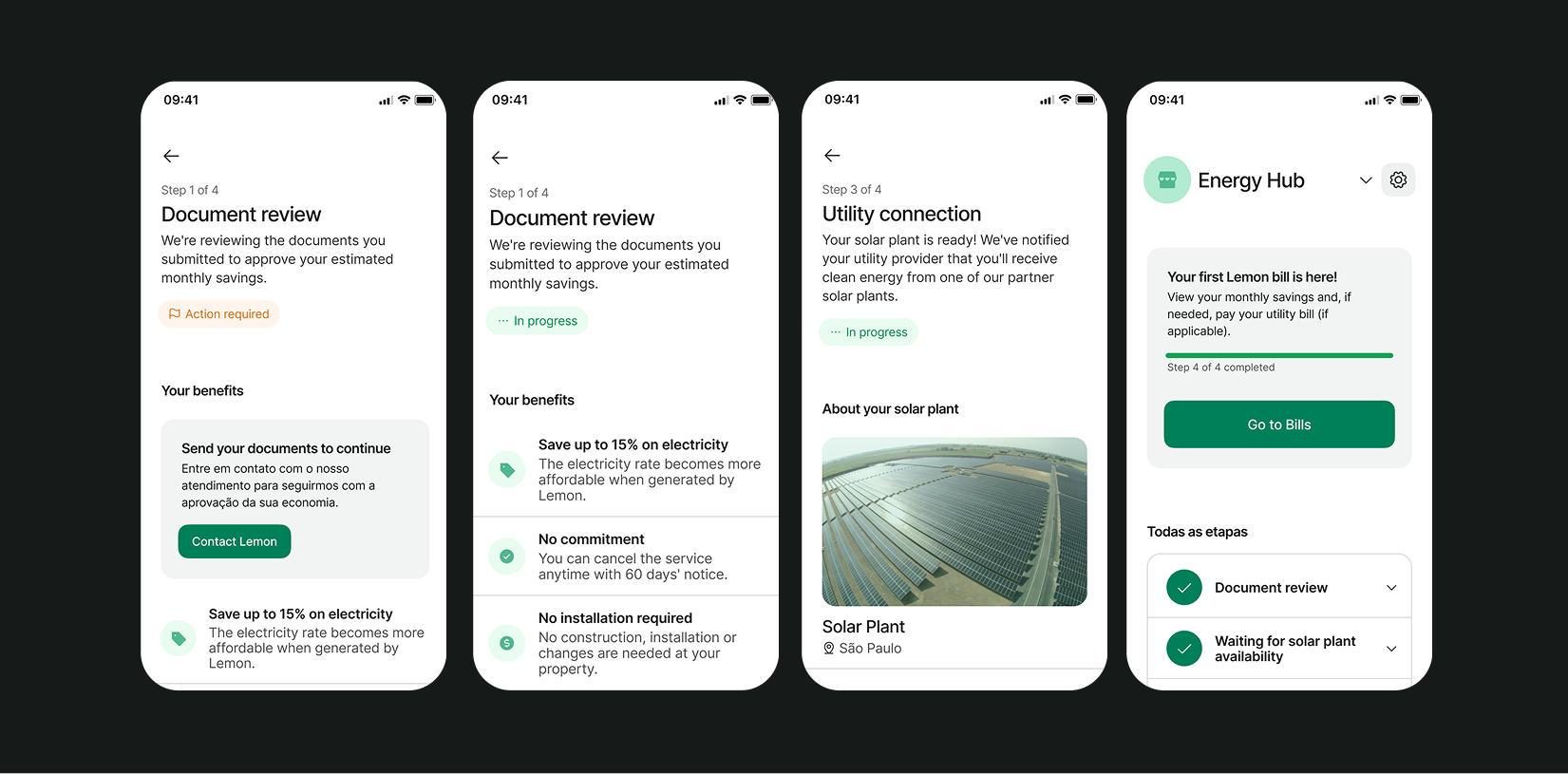
Solution: a new onboarding experience
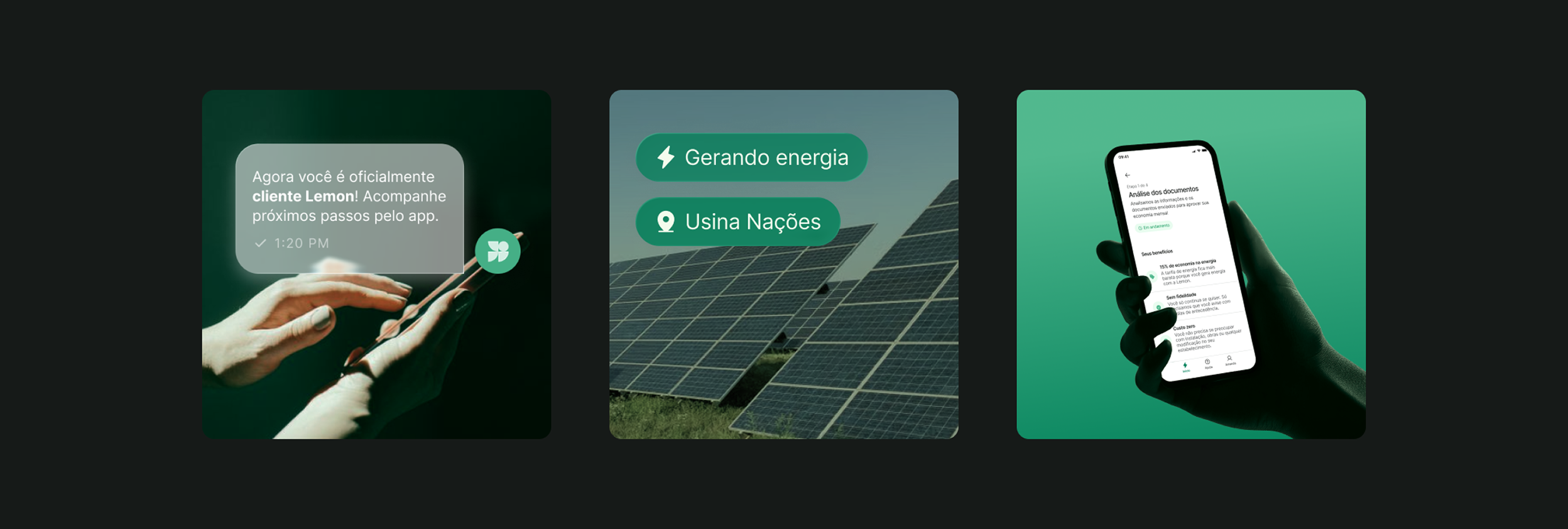
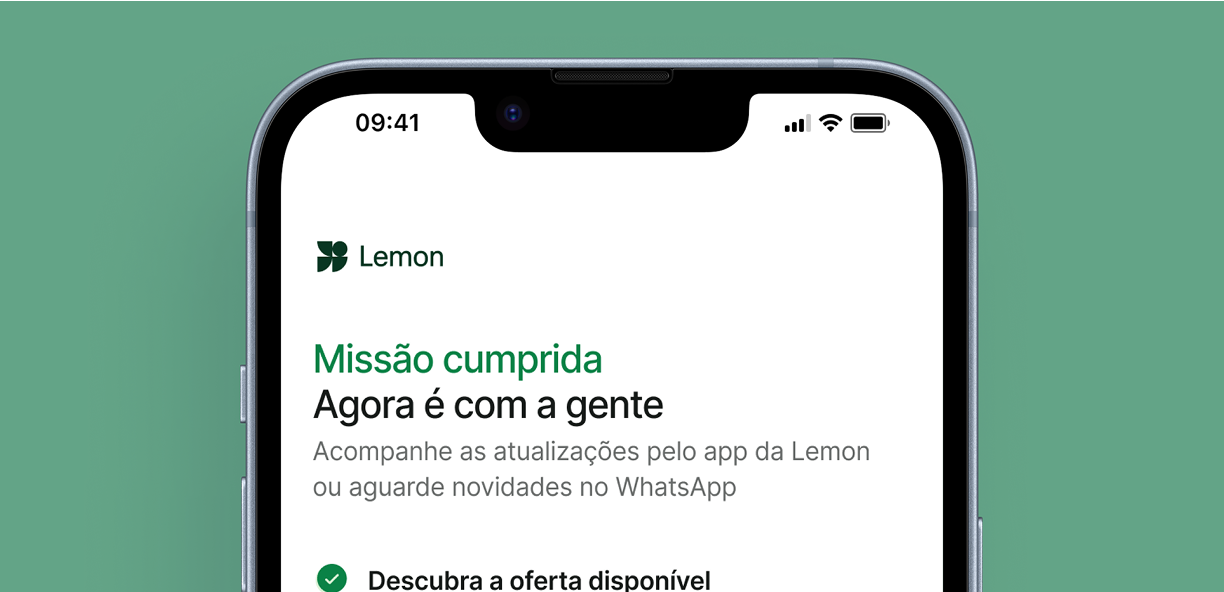
Journey status, benefits and service value into one place, reinforced by educational content about the product delivered via WhatsApp.
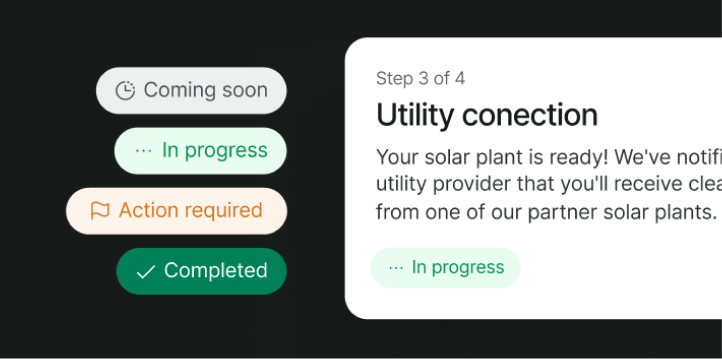
Outcomes
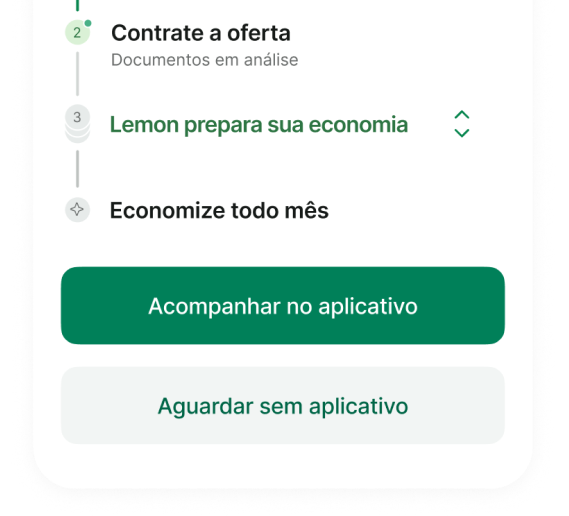
Customers had clarity on pending items and what was expected of them at each stage, with greater predictability.
Communication gaps throughout the journey were reduced.
Onboarding as a step where customers were able to learn more about the service and the company.
The new structure created a base for engagement metrics that hadn't existed before, since the process had never been instrumented as a journey.
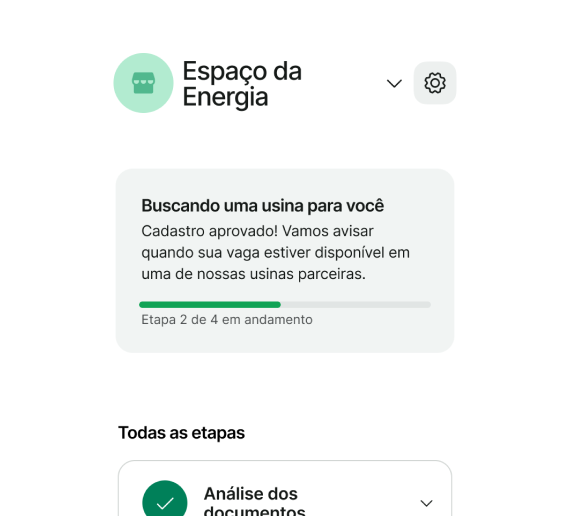
Strategic learnings
Onboarding doesn't end at acquisition, it extends it. It's the moment when the trust built during sign-up has to be maintained through a process the customer can't fully see.