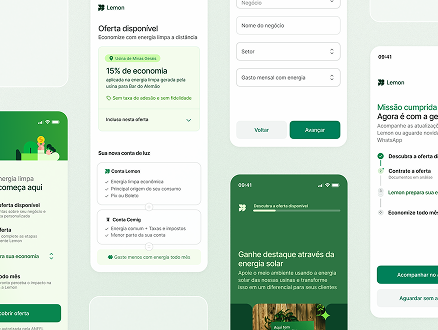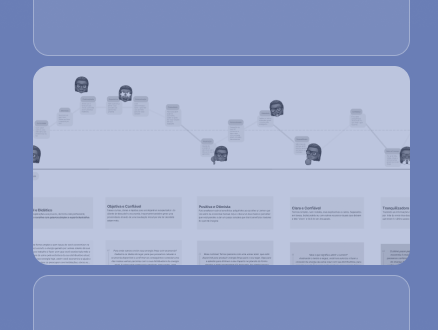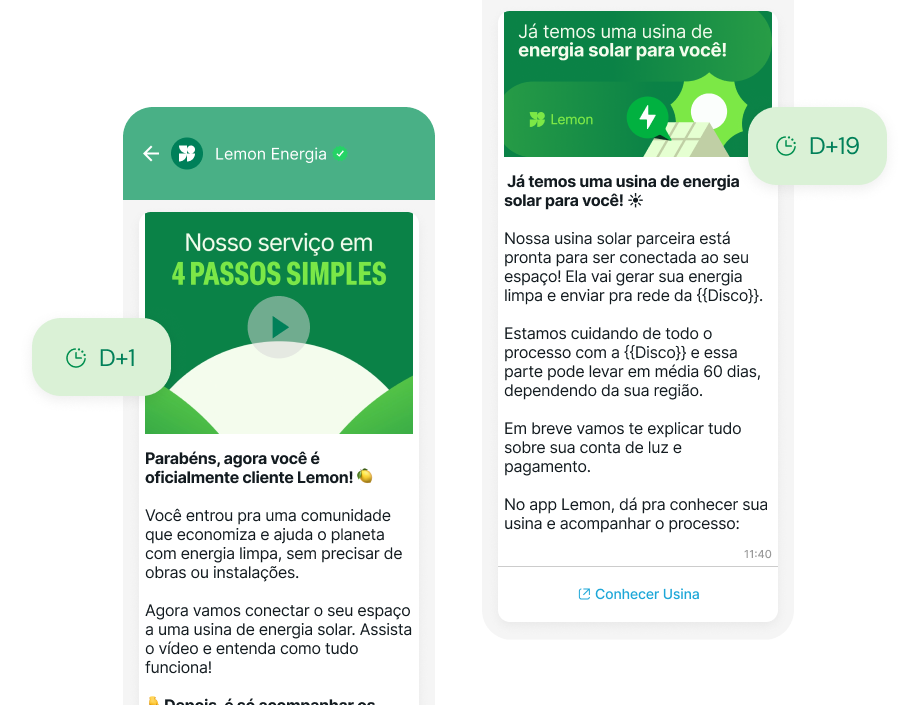
Progressive narrative
Each message now had a clear role:
- educate customers about the service
- reinforce the value proposition
- set expectations
- guide next steps


Onboarding: When the service begins after the sale
How we structured Lemon's post-signup journey so customers understood where they stood — and why it was worth the wait.
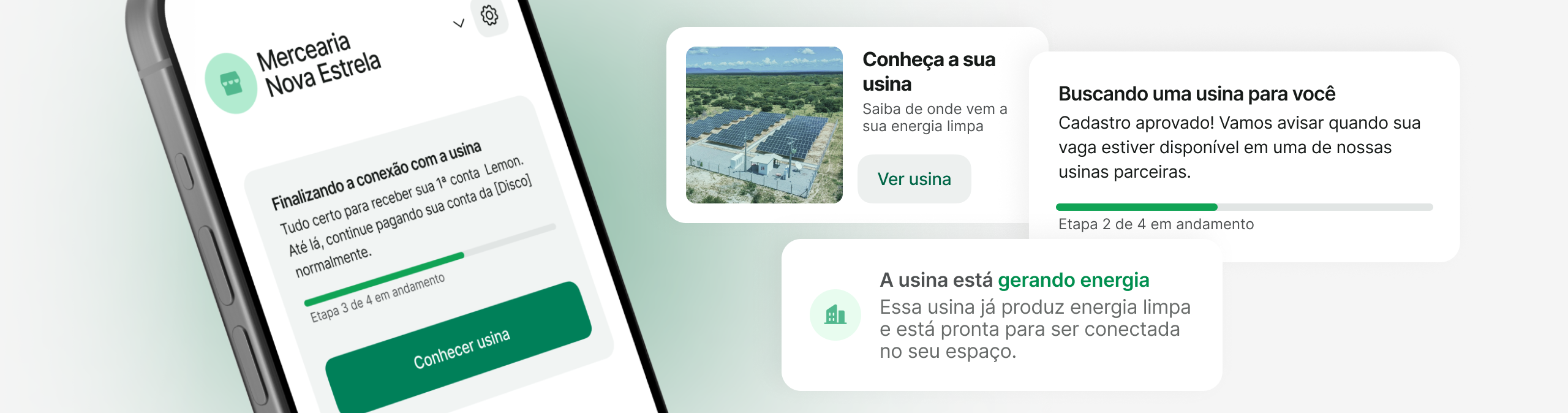
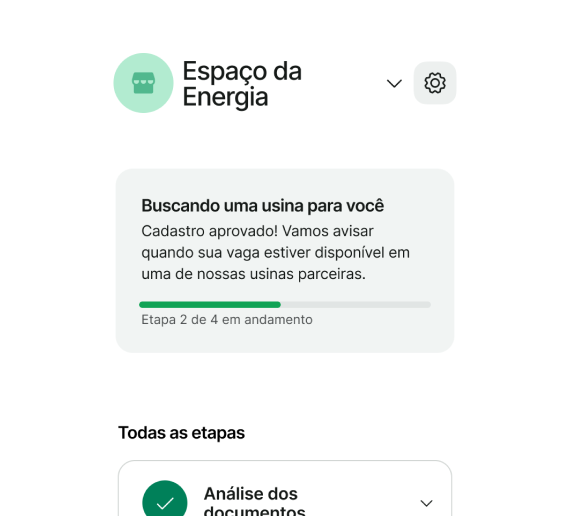
After signing up, customers could wait up to 90 days. Without a clear onboarding experience, they had no visibility into the process and couldn't see the value — which hurt activation and satisfaction.
As the acquisition flow matured, it became clear that the post-signup experience needed real structure.
Key blockers:
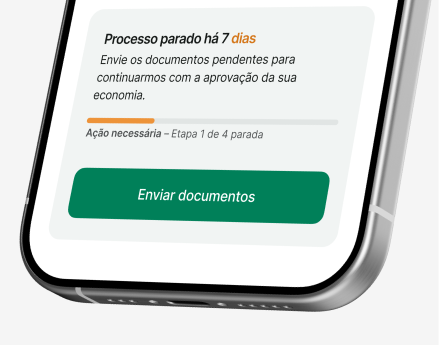
Many customers didn't know they had pending actions, which meant they were unknowingly holding up their own process.
Strategic Impact
Before onboarding
Customers went 60–90 days with no visibility
Onboarding-related issues accounted for ~50% of support contacts
Scaling would have required 100+ people on the operations team
Customers who didn't submit documents simply fell off the radar
After onboarding
Customers could navigate the process on their own
Reduced dependence on the operations team
Infrastructure ready to handle growing customer volume
My role
The core design question: How do you give visibility and create a sense of value in a long, slow process — and make sure customers know when they need to act for things to move forward?
Framing the Problem
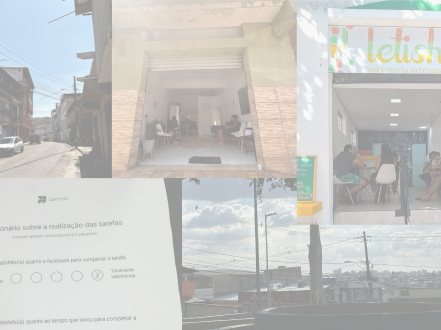
“I finished the registration, but did it work? When will my discount arrive? I still don't understand much of what will happen. Will I receive it by email?”
“How do I know that I will actually start receiving the energy credits? I didn't have enough information.”
Field research conducted in Belo Horizonte
Strategic hypotheses
Experience pillars
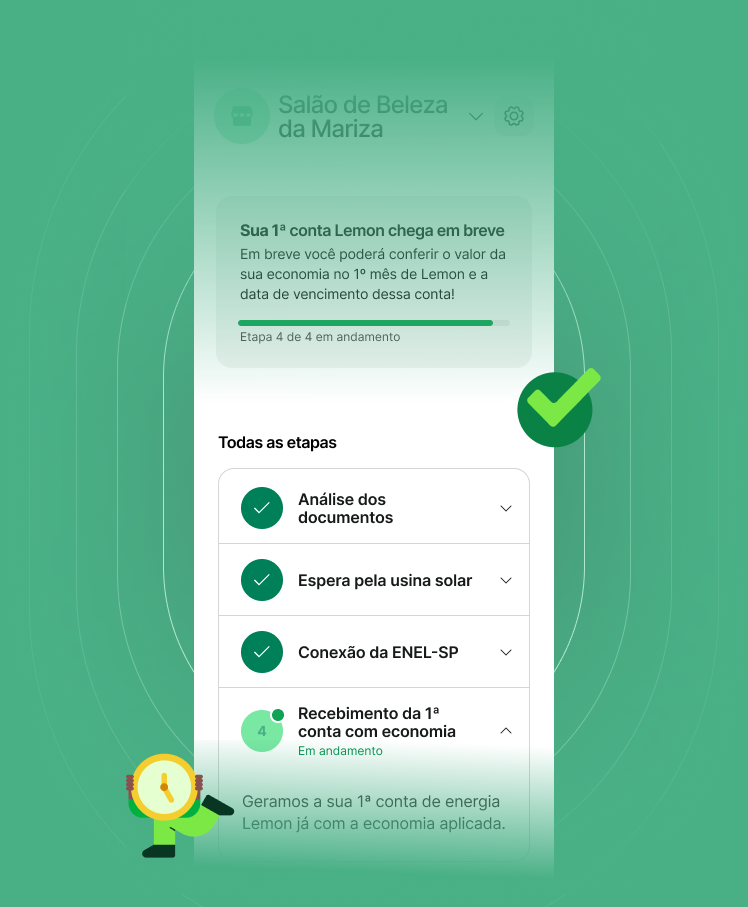
Transparency — where am I in the process?
Expectation-setting — how much longer?
Value — why is it worth the wait?
Transparency
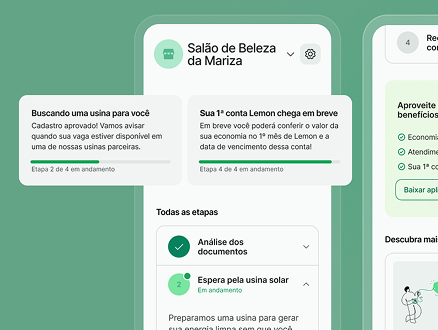
Knowing where you are and what needs to be done
Expectation-setting
Understanding how long is left
Value
Feeling the benefit before and beyond the savings
Trust
Reducing anxiety and uncertainty
Agency
Resolving outstanding tasks independently
Product Decisions
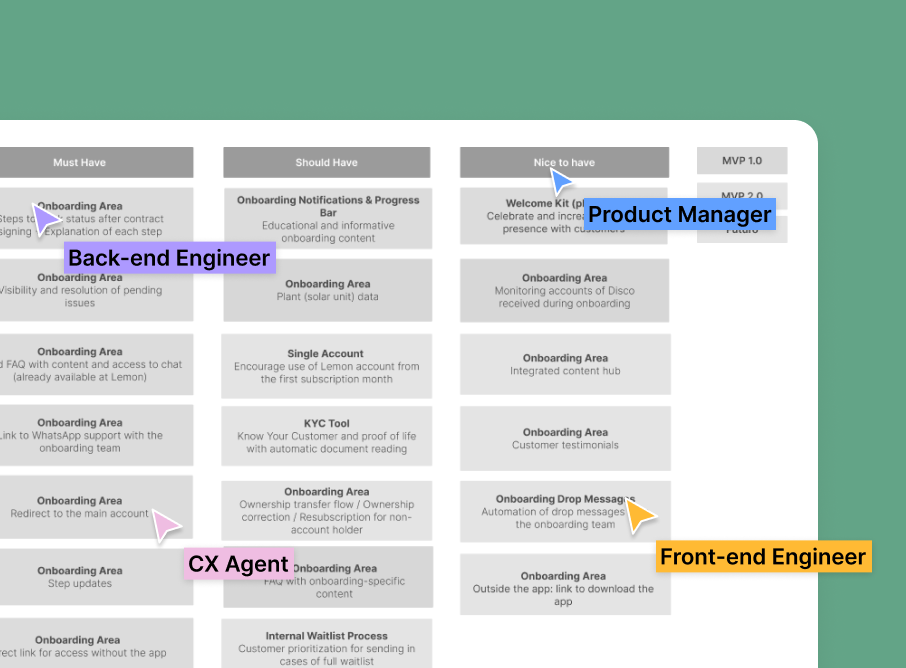
Defined within the app:
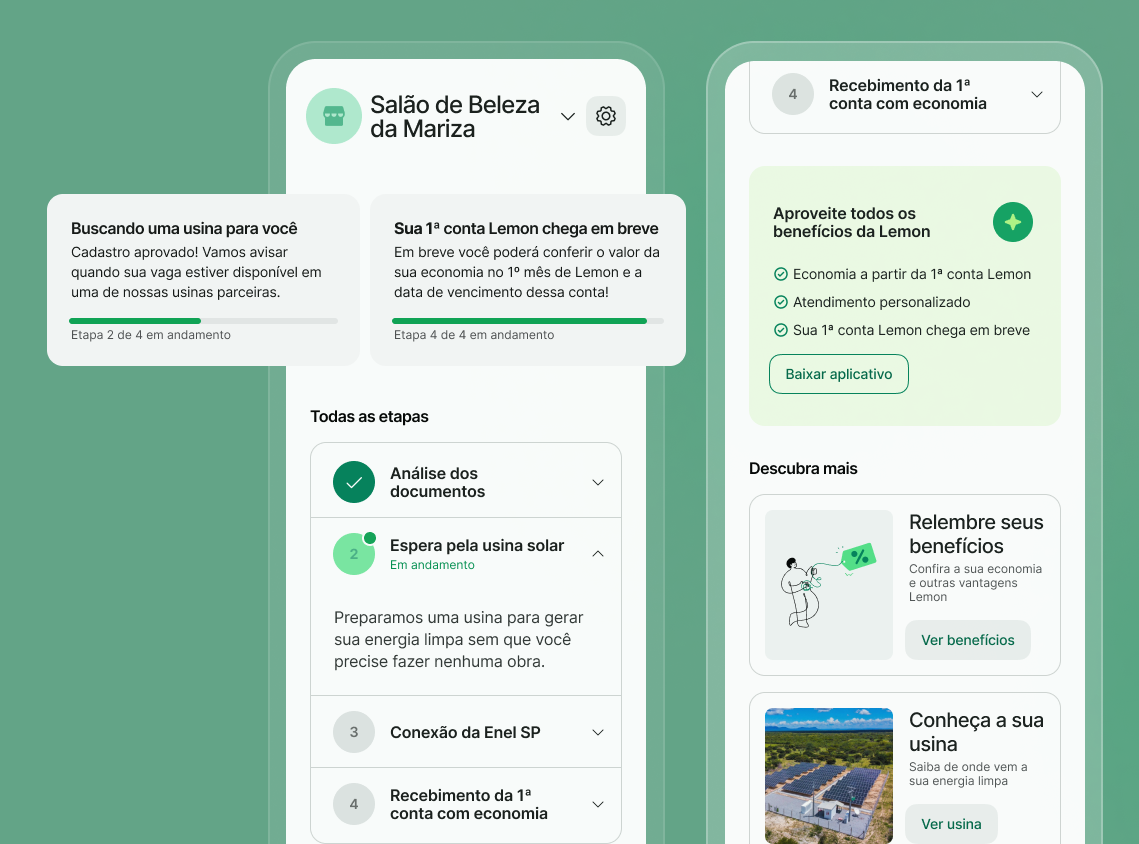
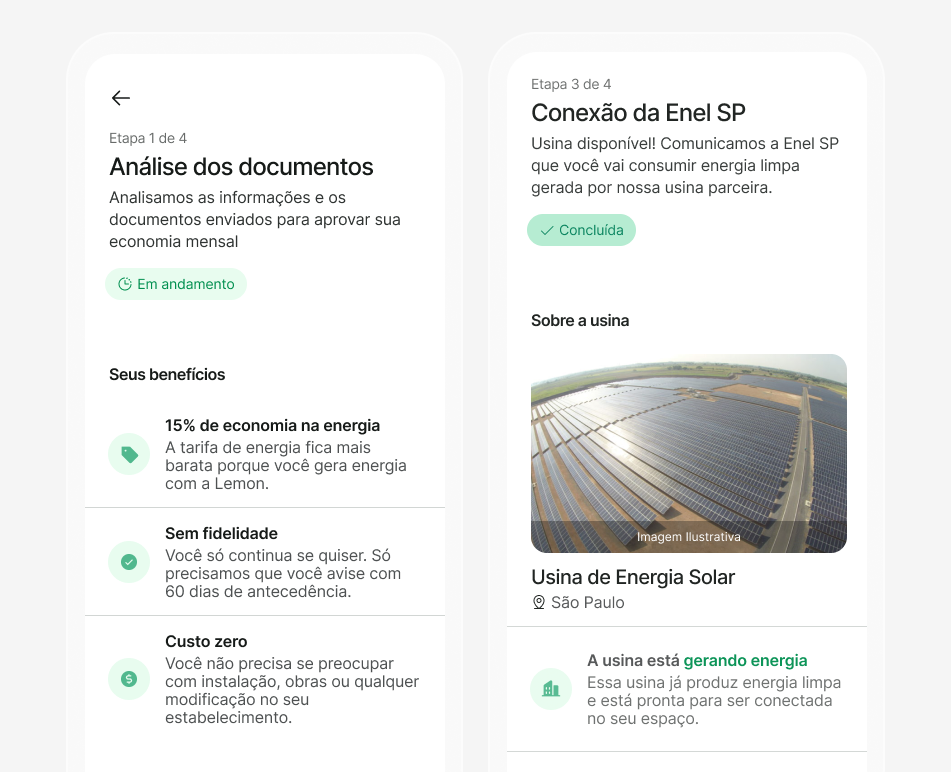
Onboarding Evolution
After launch, we spotted a problem: even though the onboarding area was live, many customers weren't accessing the journey or keeping up with the process.
The insight
The real failure was in the messaging cadence.
Rebuilding the cadence
Progressive narrative
Each message now had a clear role:
Product integration
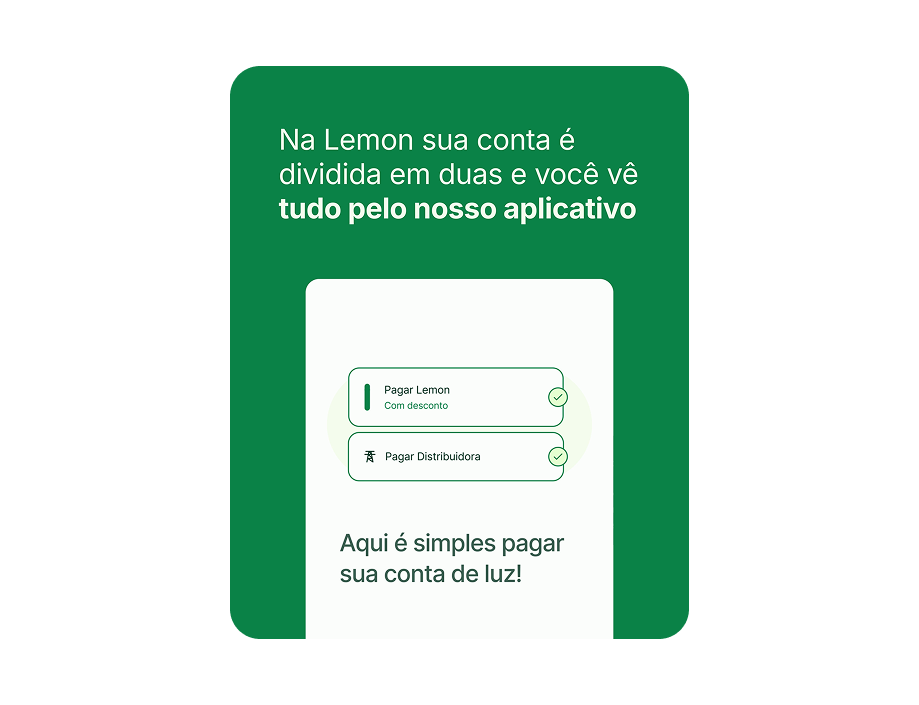
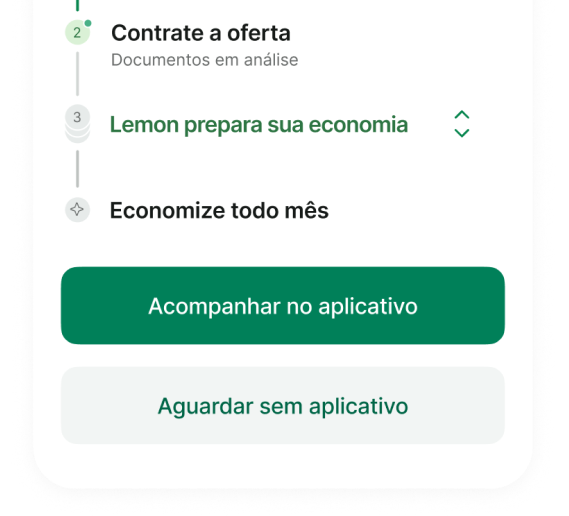
Messages consistently drove customers back to the app, establishing the onboarding area as the main place to track progress.
Fewer gaps in communication throughout the journey
Customers had a clearer sense of what to expect
Pending items became easier to understand and act on
Foundation in place to track and improve engagement metrics going forward
Strategic Takeaways